

When collaborating with a partner, it helps to be on the same page.
It helps to be compatible.
Compatibility—often referred to as cultural fit—means the degree to which partners are aligned on philosophy, values, decision-making, communication patterns and behaviors. Cultural fit does not mean “sameness,” but rather avoiding incompatibilities that can create conflict from incongruent philosophies. It means taking similar approaches, maintaining similar values, and operating in a similar manner.
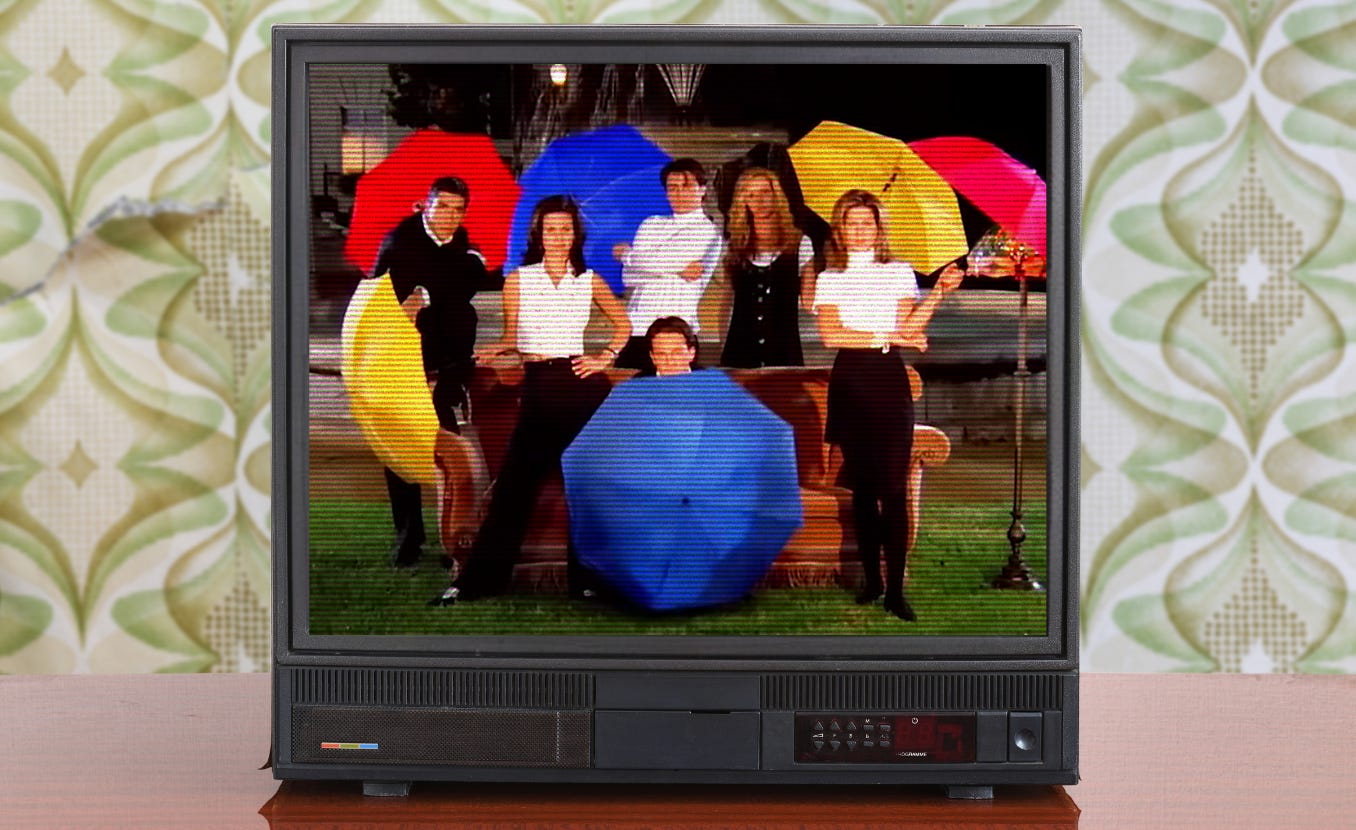
A good representation of compatibility is the TV show “Friends,” which centered around six young adults finding their way: Rachel, Ross, Monica, Chandler, Phoebe and Joey. The characters grew together over 10 seasons and 236 episodes, sharing a depiction of true friendship that would carry each other through relationships, marriages, children, jobs, moves, life experiences, fertility struggles, tragedy and triumph. As the show’s iconic theme song goes, I’ll be there for you.
While idealistic, “Friends” remains a beacon of hope for the potential of friendships and highlights the importance of not just finding your best friends, but growing and evolving and maturing together—bringing out the best in one another.
Strong cultural fit might seem like a lucky occurrence, but it often isn’t lucky at all. Instead, as was the case with the “Friends” cast, it’s a reflection of a strategic, thoughtful process of aligning partners to succeed together.
Ahead of the show’s debut in 1994, the casting director received hundreds of glossy black-and-white photos for each role and about 75 actors read for each part.
For the role of Chandler, the show’s creators liked the witty, self-deprecating actor Matthew Perry. But he was already signed up for another show, “LAX 2194,” about baggage handlers at the airport of the future. Since Perry wasn’t available, “the producers wanted to go with Craig Bierko,” according to casting director Lori Openden. Bierko was offered the part but passed, which was a sigh of relief for the producers. And when “LAX 2194” was destined to bomb, the show had its Chandler.
Courteney Cox—the biggest name of the bunch due to her stint in Bruce Springsteen’s “Dancing in the Dark” music video and turn on “Family Ties”—was considered to play Rachel. But Cox wanted to play Monica instead. She wound up getting the part over Nancy McKeon, who’d been a star on “The Facts of Life.”
For the character of macho Joey, Matt LeBlanc quickly became a favorite. Before his audition, he was practicing lines with another actor, who suggested that since the show was all about a group of friends, “we should go out tonight and get drunk, as though we were friends,” LeBlanc recalled. He did—and wound up falling down and skinning his nose. LeBlanc showed up for his audition with a scab on his face. But there was something funny and warm about him.
The producers and NBC had a tough time casting for Rachel, a character who was pampered and spoiled. With the wrong actress, Rachel could easily come across as unlikable. The actress needed to be someone the audience could relate to. Jami Gertz was offered the part but turned it down. Jennifer Aniston—who’d struggled to land a breakout role with other projects—was a favorite, but she was already committed to a show, “Muddling Through,” that was airing on CBS. NBC wanted her. As a result, the network aired Danielle Steel movies opposite “Muddling Through” to undermine its female viewership. With “Muddling Through” fading away, NBC had its Rachel.
Lisa Kudrow was already a known commodity due to her role on NBC’s “Mad About You,” and she had experience auditioning, too. She played quirky. The show needed quirky. It was an easy choice to cast her as Phoebe.
The producers liked David Schwimmer, who had auditioned for a previous pilot they’d developed. But the actor was burned out from TV. He wanted to stick to theater. His agent talked to him about Friends. So did famed TV director James Burrows, who would direct the show’s pilot. Schwimmer decided to have a meeting. Soon enough, the show had its Ross.
After all of the headshots and auditions and negotiations, the show finally had its six. But still, every element needed to fall right into place in order for the show to succeed. The ensemble show would require all of the characters to connect and uplift each other. They needed to have real chemistry.
What if one of the cast members decided they should make more money or get more screen time than the other actors? What if one of the cast members isolated themselves from the rest of the group?
“If any one of those people had been different, what would the show be? It’s a totally different show,” co-creator David Crane said in an interview about the show’s success.
The care taken with finding the right cast, and the actors’ strong compatibility, was evident the first time they performed together. As they rehearsed at the coffee shop stage (Central Perk), the actors could tell there was something special brewing. “You could feel it,” Schwimmer said. “There was something really special about the six different voices and the energy of the six of us. There are six pieces of a puzzle that happen to click just right because of casting and because of the particular energy of the six people.”1
Through the right process, six became one. Their friendship looked so real on the screen because it actually was.
Littlefield, Warren, and Pearson, T. R.. Top of the Rock: Inside the Rise and Fall of Must See TV. United States, Knopf Doubleday Publishing Group, 2013.